



What Is a Chainsaw Guide Bar?
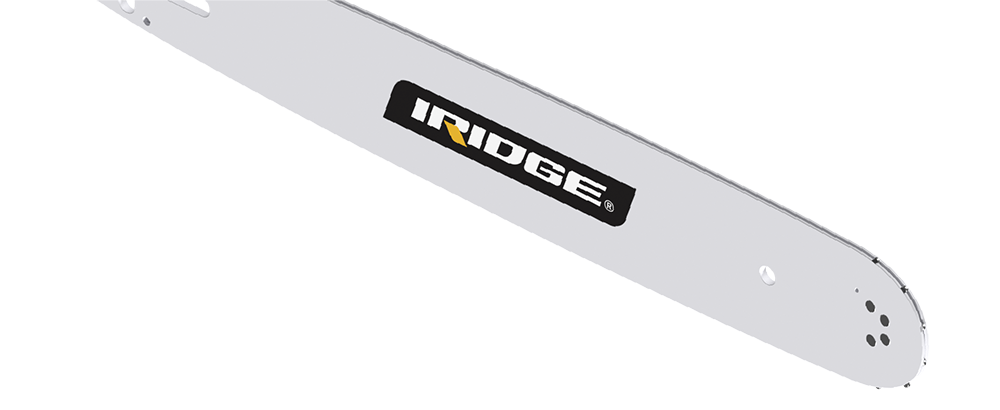
The chainsaw guide bar — sometimes called the chainsaw blade or bar — is the long, flat metal arm that extends from the body of the saw. It serves as the track along which the cutting chain rotates continuously during operation. While the engine or motor provides the power and the chain does the cutting, the guide bar is what keeps the chain moving in a straight, controlled path, enabling precise, efficient cuts through wood.
Without a properly functioning guide bar, the chain has no stable platform to run on. The result would be erratic movement, dangerous kickback, and rapid damage to both the chain and the saw itself. In short, the guide bar is one of the most critical components of any chainsaw — and choosing the right one directly affects performance, safety, and the lifespan of your equipment.
Key Parts of a Chainsaw Guide Bar
Understanding what makes up a guide bar helps you make smarter decisions when replacing or upgrading one. A standard chainsaw guide bar consists of several interconnected components, each with a specific role.
- Bar body (rail): The main steel structure of the bar. It forms the track for the chain and absorbs mechanical stress during cutting. Most bars are made from alloy steel for durability and wear resistance.
- Groove (track): The channel that runs along the outer edge of the bar. The chain's drive links slot into this groove and travel around it during operation. Groove width — also called gauge — must match the chain's drive link thickness exactly.
- Nose (tip): The front end of the bar, where the chain wraps around. It can be a hard (solid) nose or a sprocket nose with a small roller wheel to reduce friction and extend bar life.
- Tail (heel): The rear section of the bar that inserts into the chainsaw body. It includes the mounting slot and holes that connect the bar to the powerhead.
- Mounting slot and tensioner hole: These allow the bar to attach securely to the saw and enable chain tension adjustment. The size and position of these features vary between brands and models.
- Oil feed hole: An opening through which bar-and-chain oil is delivered to lubricate the groove and reduce heat buildup during cutting.
Types of Chainsaw Guide Bars
Not all guide bars are built the same way. Different construction methods and nose designs suit different working conditions, and knowing which type fits your tasks can significantly improve cutting performance.
| Bar Type | Construction | Best For |
|---|---|---|
| Laminated (Sandwich) Bar | Multiple steel layers welded or riveted together | Homeowners, light-to-medium cutting, cost-conscious buyers |
| Hard Nose (Solid) Bar | Single solid piece of alloy steel | Professional use, abrasive conditions, heavy-duty felling |
| Sprocket Nose Bar | Roller sprocket at the tip to reduce chain friction | High-frequency cutting, extended daily use |
| Replaceable Nose Bar | Solid body with a detachable tip | Professional users wanting extended bar life with tip replacement |
| Carving Bar | Narrow, pointed nose for detail work | Wood carving, sculpture, tight-space cutting |
Laminated bars are the most common choice for residential use — they are lightweight and affordable, though less resistant to bending under heavy loads. Hard nose bars, often reinforced at the tip with cobalt-chromium alloy, offer exceptional durability and are the preferred choice in professional forestry and logging applications. Sprocket nose bars reduce friction at the tip, extending both chain and bar life during prolonged cutting sessions.
How to Measure Chainsaw Bar Length
Bar length is one of the most important specifications to understand, but there is an important distinction: the effective cutting length (also called the usable length) is what matters, not the total physical length of the bar.
To measure the effective cutting length, lay the bar flat on a stable surface and measure from the tip of the bar to the point where it enters the chainsaw body. Round up to the nearest standard size. Common bar lengths for residential use range from 12 to 20 inches, while professional bars can reach 36 inches or more on high-displacement saws.
A useful rule of thumb: select a bar that is at least two inches longer than the diameter of the wood you plan to cut. This allows the saw to complete a clean, single-pass cut without the bar bottoming out mid-stroke. However, going significantly longer than necessary adds weight, reduces maneuverability, and increases strain on the engine — more bar length is not always better.
Are Chainsaw Bars Universal? The Short Answer Is No
This is one of the most common questions among chainsaw owners, and the answer is straightforward: chainsaw bars are not universal. There is no single bar that fits all chainsaws. Compatibility depends on a combination of three distinct technical specifications, and all three must align for a bar to work safely and correctly.
1. Mount Pattern
The mount pattern is the physical configuration of the slot, stud holes, oil feed holes, and tensioner pin location at the bar's tail. This is the biggest compatibility barrier. Major manufacturers use proprietary mount designs, meaning a bar built for one brand will rarely bolt onto another brand's powerhead without modification. For example, the mounting dimensions on a typical saw from one major brand are structurally different from those on a competing brand's saws — even if both bars share the same length and chain pitch.
2. Chain Pitch
Pitch refers to the average distance between three consecutive rivets on the chain, divided by two. Common pitch sizes are 3/8 inch, .325 inch, and .404 inch, with 3/8-inch low-profile being standard on smaller consumer saws. The bar's nose sprocket and the saw's drive sprocket must both match the chain pitch exactly. If they do not, the chain will not track correctly, creating a dangerous operating condition.
3. Gauge (Groove Width)
Gauge is the thickness of the bar's groove and must match the thickness of the chain's drive links. Standard gauge sizes are .043 inch, .050 inch, .058 inch, and .063 inch. Using a chain with drive links that are too thin will cause the chain to rattle and jump; drive links that are too thick simply will not fit into the groove at all.
Cross-Brand Compatibility: What Is and Is Not Possible
While bars are not truly universal, cross-brand swaps are sometimes achievable — but only when all three specifications align precisely. Even within the same brand, compatibility is not guaranteed. Most major manufacturers use two or more distinct mount types across their product lines, so a bar from a larger professional-grade saw in the same brand may not fit a smaller consumer model from the same company.
Some aftermarket bar manufacturers have addressed this by engineering bars with mount geometries that are compatible across a wider range of powerheads. These bars are sometimes marketed as "universal" or "cross-compatible," but that term is relative — it typically means the bar fits a defined range of models, not literally every chainsaw on the market. Always verify the mount type, pitch, gauge, and bar length against your saw's manual or manufacturer specifications before purchasing any aftermarket bar.
If you need to identify your current bar's specifications, look for markings stamped or engraved along the bar body. These codes identify the mount type and fitment. If the markings have worn off, your chainsaw's model number and the manufacturer's compatibility chart are the most reliable references.
How to Choose the Right Replacement Guide Bar
When it is time to replace a worn or damaged guide bar, follow these steps to ensure you get the right part the first time.
- Check your owner's manual. This is always the first reference. It lists the approved bar lengths and specifications for your specific chainsaw model.
- Identify your current bar's specs. Look for stamped codes on the existing bar that indicate mount type, pitch, and gauge. Record all three before shopping.
- Match the bar length to your tasks. If you are replacing like-for-like, use the same effective length. If you are upgrading to a longer bar, confirm your engine's displacement can handle the additional load — check the manual for the maximum recommended bar length.
- Confirm chain compatibility. The new bar and your existing chain (or a new chain) must share the same pitch and gauge. If replacing both, choose a matched bar-and-chain combination from the same specification set.
- Use the manufacturer's fit-finder tool. Many bar manufacturers offer online tools where you enter your chainsaw's make and model number and receive a list of confirmed-compatible bars and chains.
Guide Bar Maintenance Tips to Extend Service Life
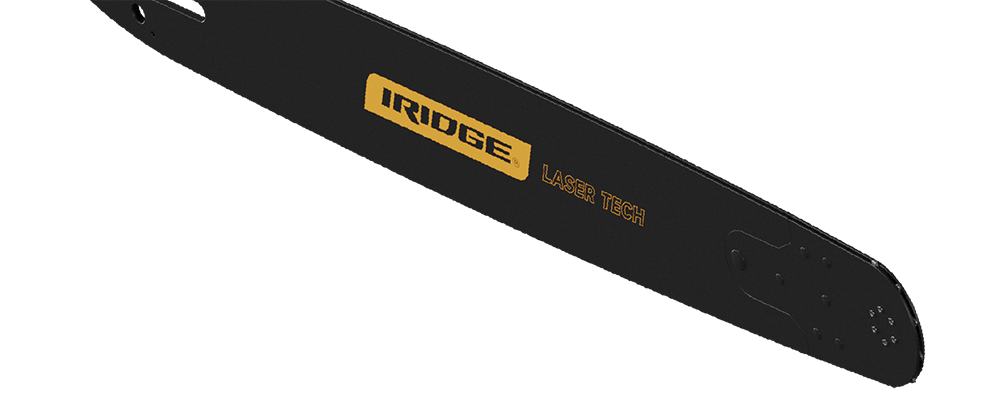
A quality guide bar can last three to five years or more with regular use — but only if it is properly maintained. Neglecting the bar accelerates chain wear, reduces cutting precision, and can result in dangerous operation.
- Lubricate before every use. Bar-and-chain oil must be applied consistently to reduce friction and heat in the groove. Running a chainsaw dry for even a short period can cause irreversible damage to both the bar and chain.
- Clean the groove after each session. Sawdust, resin, and debris accumulate in the groove and oil holes. Use a flat tool or compressed air to clear them out, keeping oil flow unobstructed.
- Flip the bar regularly. Most bars can be reversed end-to-end. Rotating the bar periodically distributes wear evenly across both rails and significantly extends the bar's usable life.
- Inspect rails for burrs and uneven wear. Burrs along the rail edges cause chain drag and can be carefully filed smooth. If the groove has widened to the point where the chain rocks from side to side, the bar needs replacement.
- Check chain tension frequently. A chain that is too loose risks derailing and causes uneven rail wear. A chain that is too tight creates excessive friction and can damage the nose sprocket. The chain should have just enough slack to be lifted slightly off the bar with a finger while still remaining in the groove.
When to Replace Your Chainsaw Guide Bar
Even with excellent maintenance, guide bars eventually reach the end of their service life. Recognizing the signs early helps prevent accidents and protects the rest of your chainsaw system.
Replace your guide bar when you notice any of the following: the groove has widened and the chain moves loosely from side to side; the rails show deep scoring, cracking, or collapse; the bar is visibly bent or warped; the nose sprocket no longer spins freely; or the saw consistently pulls to one side during cuts despite correct chain tension and sharpening. A bar in this condition cannot hold the chain safely and will accelerate wear on the drive sprocket and engine clutch.
A simple field test: press a ruler flat against the side of the bar while a cutting tooth rests on the rail. If a gap exists between the ruler and the bar rail, the bar still has usable life. If the ruler lies completely flat against the bar with no gap, the rail has worn down and replacement is due.

